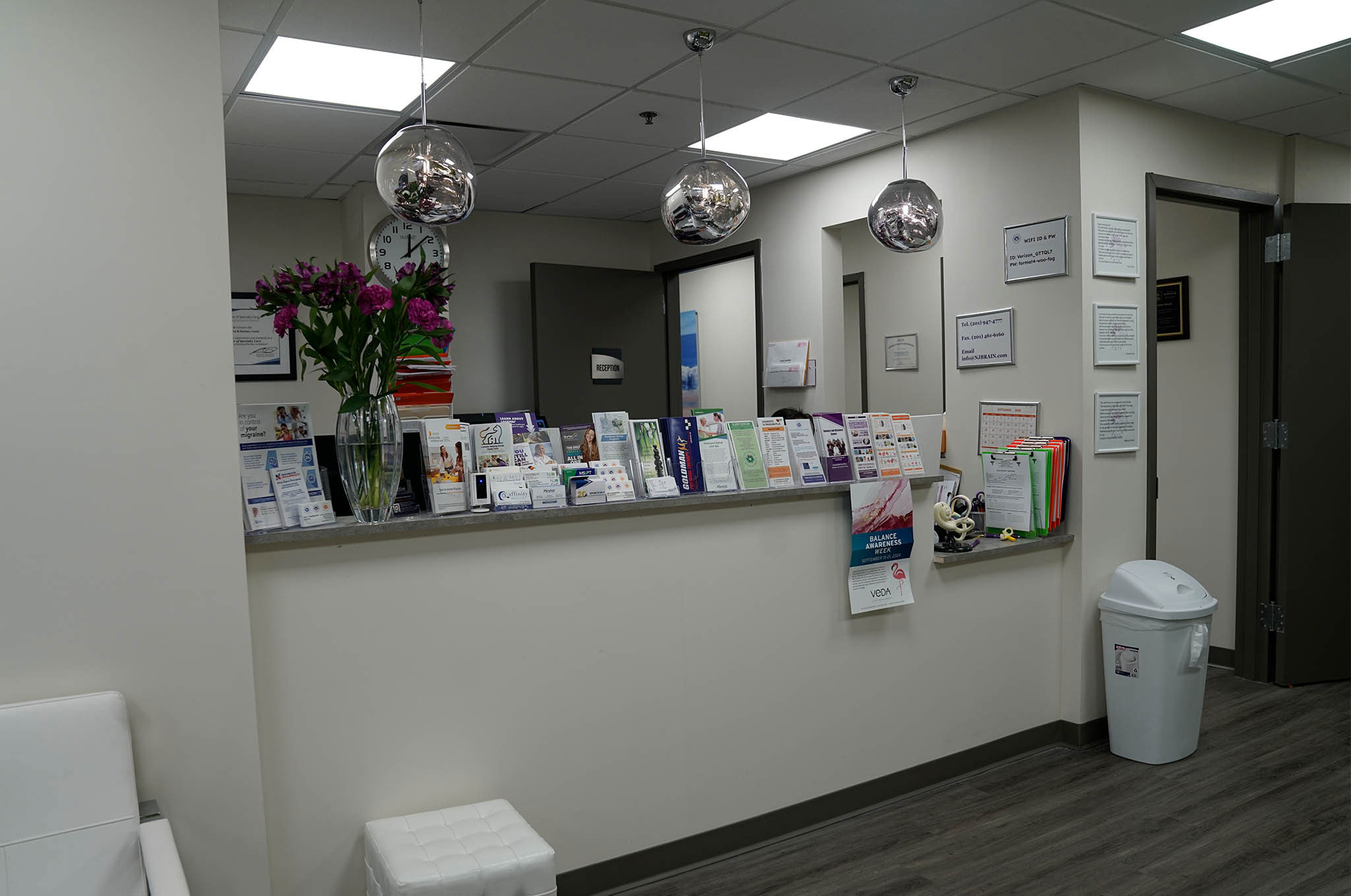

401A South Van Brunt St
Suite 302
Englewood, NJ 07631

2 Executive Boulevard
Suite 306
Suffern, NY 10901

Let's Get to the Root Cause

Welcome to Jeffrey Shenfeld, MD

We're living longer than any generation before us, but more years don't always mean more good years. As we age, changes in memory, focus, language, and judgment can take hold quietly. The earlier we catch them, the more we can do about them.

That's where we come in. At Jeffrey Shenfeld, MD, we've pioneered techniques for identifying mild cognitive impairment early, often before it ever progresses to dementia. With state-of-the-art diagnostic technology and a multidisciplinary team under the direction of Dr. Jeffrey Shenfeld, we deliver real answers, and care that treats you as a whole person, not a symptom.

From the moment you walk in, you'll feel looked after. Every test, technology, and treatment happens in-house, so there's no shuttling between specialists or waiting on outside labs. We know how frightening memory concerns can be, for you and for the people who love you, and our job is to give you clarity, treatment, and support at every step.

And we move quickly. Instead of waiting six to eight months for an appointment at a major institution, we can diagnose most memory conditions within two to three weeks and begin the most advanced pharmacological and non-pharmacological treatments available today. Faster answers. Personalized care. A real plan to protect what matters most.

The image shows a woman with a broad smile, seated in a dental chair, receiving attention from a dental professional who appears to be examining her teeth.

Heal Your Life

Brain Health & Imaging

Dementia doesn't appear overnight — it develops over years, and by the time symptoms become obvious, critical time has already been lost. If one of your parents has been diagnosed with dementia or Alzheimer's disease, your risk is significantly elevated, and waiting for symptoms to appear on their own is not a strategy.

We offer express memory diagnostic evaluations designed specifically for patients experiencing early memory concerns and for the adult children of parents living with the condition. Using advanced imaging, we can identify problematic patterns in blood flow and brain activity long before a traditional evaluation would raise any flags. This means earlier answers, earlier intervention, and a dramatically better chance at preserving your cognitive health.

You don't have to wonder. You don't have to wait. Come in, let us take a look, and let's build a plan to protect your brain while there's still the most we can do.

When Brain Imaging Is Added to an Evaluation:

Published peer-reviewed research shows that looking at the brain changes everything — from the diagnosis to the treatment plan to the outcome.

*Sources: PMC peer-reviewed study of 109 consecutive psychiatric outpatients; Journal of Psychoactive Drugs; PMC SPECT dementia diagnostic accuracy study.

79% of diagnoses and/or treatment plans change when brain imaging is added to the evaluation*
60% of patients show new targets for medication or supplements that were previously unidentified*
86% sensitivity rate in detecting Alzheimer's disease and differentiating between types of dementia*
92% positive predictive value for dementia diagnosis — one of the highest in neuroimaging*
83% overall diagnostic accuracy for dementia, even in complicated or confusing clinical presentations*
The image shows a woman with short hair smiling at the camera while standing outdoors during daylight hours, with a bright sun in the background and trees visible behind her.
The image displays a stylized graphic with a pink neon outline resembling a human brain, inside of which is an intricate circuit board pattern, set against a dark background.

Our Approach

A Better Way to Treat Your Brain.

Most clinics treat mental health the same way they always have — a brief appointment, a symptom checklist, and a prescription. At Jeffrey Shenfeld, MD, we believe you deserve more than that.

We start by actually looking at your brain. Using brain imaging, we build a biological picture of what's happening before we ever make a recommendation. From there, we spend real, meaningful time with you — because understanding a person takes more than fifteen minutes.

Our approach is built around you, not a diagnosis. That means personalized treatment plans informed by imaging, more comprehensive testing, and care that evolves as you do. Your brain is the most complex organ in your body. It's time it got the attention it deserves.

Better doctor-patient time
Better testing
Better access to care
Better treatment choices
Better personalization
Better follow-up
Better results

How It Works

Our Proven Path to Better Brain Health

1

Comprehensive
Evaluation

We start by getting the full picture. Through a thorough clinical assessment — covering your medical history, cognitive testing, mental status, and in-house lab work — we make sure nothing gets missed before any recommendation is made.

2

Personalized
Treatment Plan

Using your evaluation results, we build a treatment plan tailored specifically to you — integrating internal medicine, psychiatry, neurology, and TMS therapy to address the root cause, not just the symptoms.

3

Ongoing
Support & Healing

Getting better is a process, not a single appointment. We stay with you every step of the way — adjusting your plan, tracking your progress, and making sure your care evolves as you do.

Book an Appointment

SMS Consent
Submit

Thank You!

We appreciate you taking the time to visit our site. We'll review your message and be in touch with you soon.

Continue

Have a Question? Feel free to give us a call at (201) 947-4777.

Our Recent Articles

Stay informed with our latest insights and updates

Recent Articles

Jeffrey Shenfeld, MD

Empowering Health: A Comprehensive Guide to Preventative Healthcare Strategies

September 4, 2026

Preventative healthcare is more than just routine check-ups; it’s a proactive approach to maintaining optimal well-being. By integrating regular physical exams, cancer and heart disease screenings, and lifestyle modifications into daily life, individuals can significantly reduce the risk of chronic conditions like diabetes and obesity. This article explores the cornerstones of preventative care, emphasizing early detection and intervention as key strategies for long-term health management.

Jeffrey Shenfeld, MD

The Mysteries of Cognitive Decline: Early Detection and Modern Diagnostics

September 4, 2026

Cognitive decline is a complex issue that can be challenging to recognize early on. This article explores the subtle signs of mild cognitive impairment (MCI) and dementia, emphasizing the importance of early detection through advanced diagnostics. By understanding the nuances of cognitive decline and leveraging modern tools, individuals can take proactive steps to preserve cognitive health and improve quality of life. The article also highlights the benefits of early intervention, including both pharmacological and non-pharmacological treatments, and the role of education in empowering patients to make informed decisions about their health.

Jeffrey Shenfeld, MD

Early Detection: A Proactive Approach to Cognitive Health

August 7, 2026

Cognitive decline isn't inevitable with aging. Modern diagnostics, including fMRI, PET scans, genetic testing, and blood biomarkers, enable early detection of subtle brain changes before symptoms worsen. This proactive approach allows for tailored treatments that can significantly improve outcomes and empower individuals to manage their cognitive health confidently.

Englewood:
Existing Patients: (201) 947-4777
New Patients: (201) 212-4142